AI-made training handouts are everywhere now
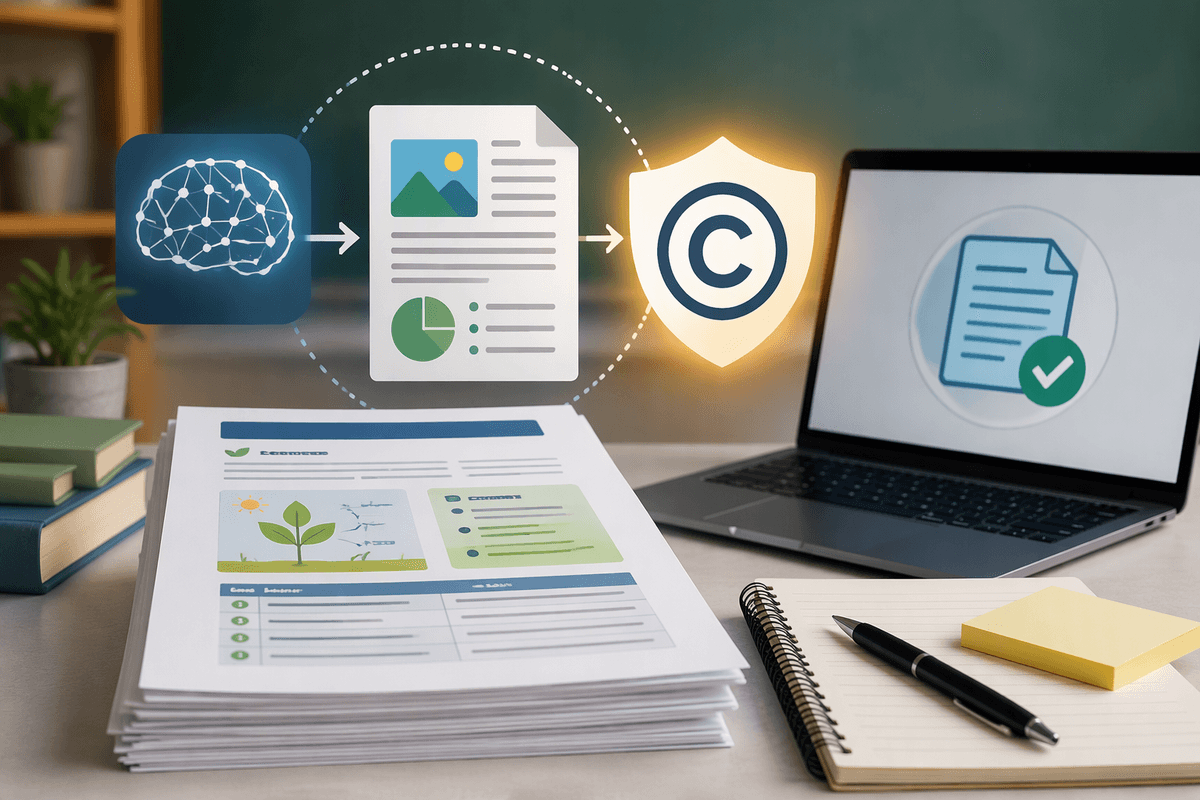
It’s become normal to see a polished “one-pager” appear minutes before a training, a slide deck drafted between classes, or a parent-facing explainer generated during a lunch break. AI tools make that speed feel responsible: less prep time, more consistency, fewer blank-page starts. But the same convenience also blurs what used to be clearer—what you wrote, what you copied, what you licensed, and what you’re allowed to distribute.
The risk usually isn’t that an AI handout exists; it’s that it gets shared widely without anyone asking where the wording, examples, charts, or definitions came from. Reviewing every page takes time, and rebuilding a district template or course pack after a complaint can cost far more than the minutes AI saved.
What copyright actually covers in classroom materials
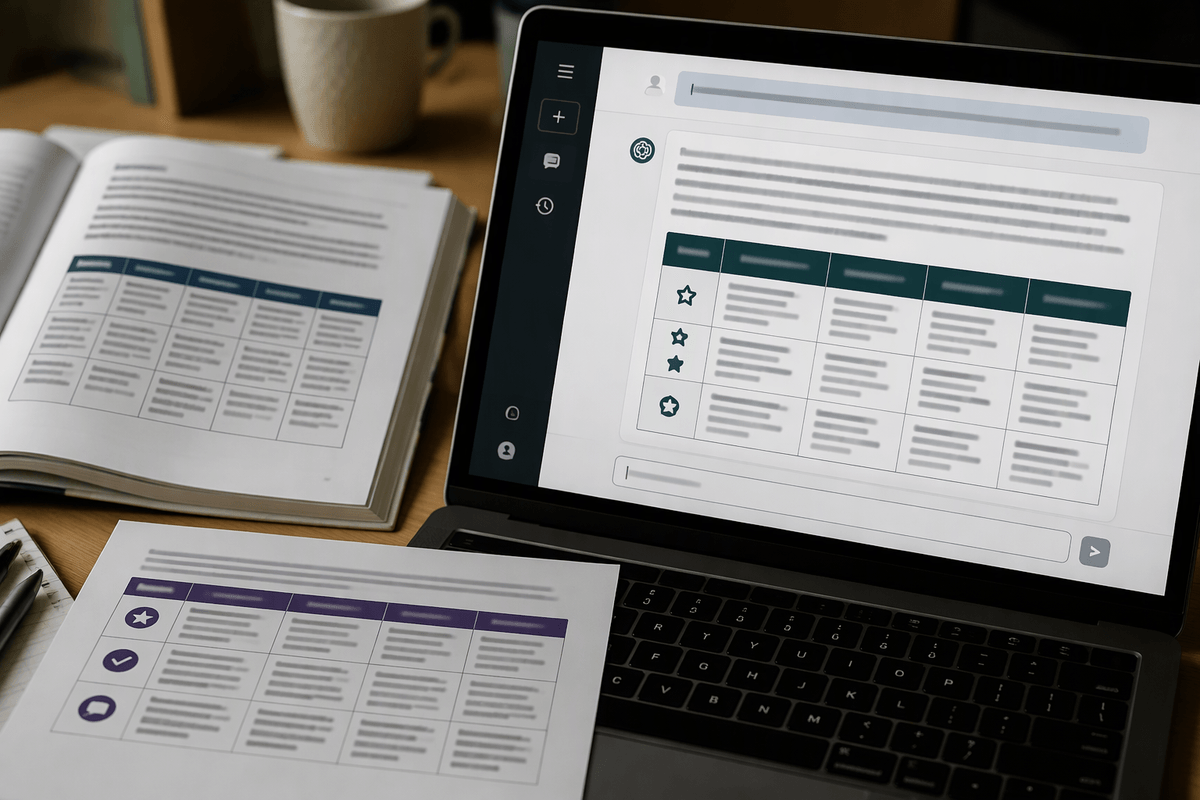
A familiar scenario: you ask an AI tool for a “clear explanation” of photosynthesis or a rubric for persuasive writing, and the output looks original enough to paste into a handout. Copyright doesn’t protect the underlying idea, skill, or standard you’re teaching, but it can protect the particular expression—specific sentences, paragraphs, diagrams, tables, and the selection and arrangement of material in a packet. That’s why two handouts can cover the same topic, yet one can still infringe if it tracks a textbook’s wording or a publisher’s distinctive chart too closely.
In practice, most classroom materials are a mix: your original additions, public-domain or openly licensed items, and pieces that may be owned by someone else (publisher content, stock images, articles, test-prep passages). The complication with AI is that it can generate expressive content that resembles protected phrasing without labeling it as a “source.” That forces a simple operational question before distribution: what parts are clearly yours, and what parts need permission, a license, replacement, or a rewrite?
Who owns AI-generated content you rely on
You can’t manage classroom copyright risk if your team assumes “the AI made it, so we own it.” Ownership depends on at least three layers: what copyright (if any) exists in the output, what rights the AI provider claims or grants in its terms, and whether the output is derived from someone else’s protected expression. Even if your district considers the handout “work made for hire” by the staff member using the tool, that only covers whatever rights the staff member actually has to pass along.
Some AI text may not qualify for copyright protection if it lacks sufficient human authorship, which matters when you want to control reuse (for example, when other sites repost your training packet). More importantly, the provider’s terms can limit how you may use outputs or require certain account types for institutional use. The educators rarely have time to read vendor terms during a prep period, so assign one role—IT, curriculum, or legal—to document what each approved tool allows, and require staff to note which tool generated each distributed handout.
The hidden risk: source material inside the output
You’ve probably seen the telltale moment: the AI’s answer sounds “textbook-perfect,” includes a memorable analogy, or drops in a neat table of comparisons that feels too finished for a first draft. The hidden risk is that the polish can come from echoing protected expression—distinctive phrasing, an organized sequence of points, or a recognizable example set—without any citation trail. That’s harder to spot than a copied paragraph because the output may be partly reworded, blended from multiple influences, or only closely similar in a few sentences that still matter.
Operationally, this shows up most often in definitions, “steps” lists, and short readings or practice prompts—exactly the items people paste directly into handouts. It also shows up in images: an AI-generated “diagram” can resemble a well-known figure’s layout even if the labels differ. The line-by-line verification is unrealistic. A workable rule is to treat AI output as unvetted draft material unless you can point to inputs you own or license, or you can rewrite the passages that read like they came from a specific book or website.
Fair use, licensing, and classroom exceptions in practice
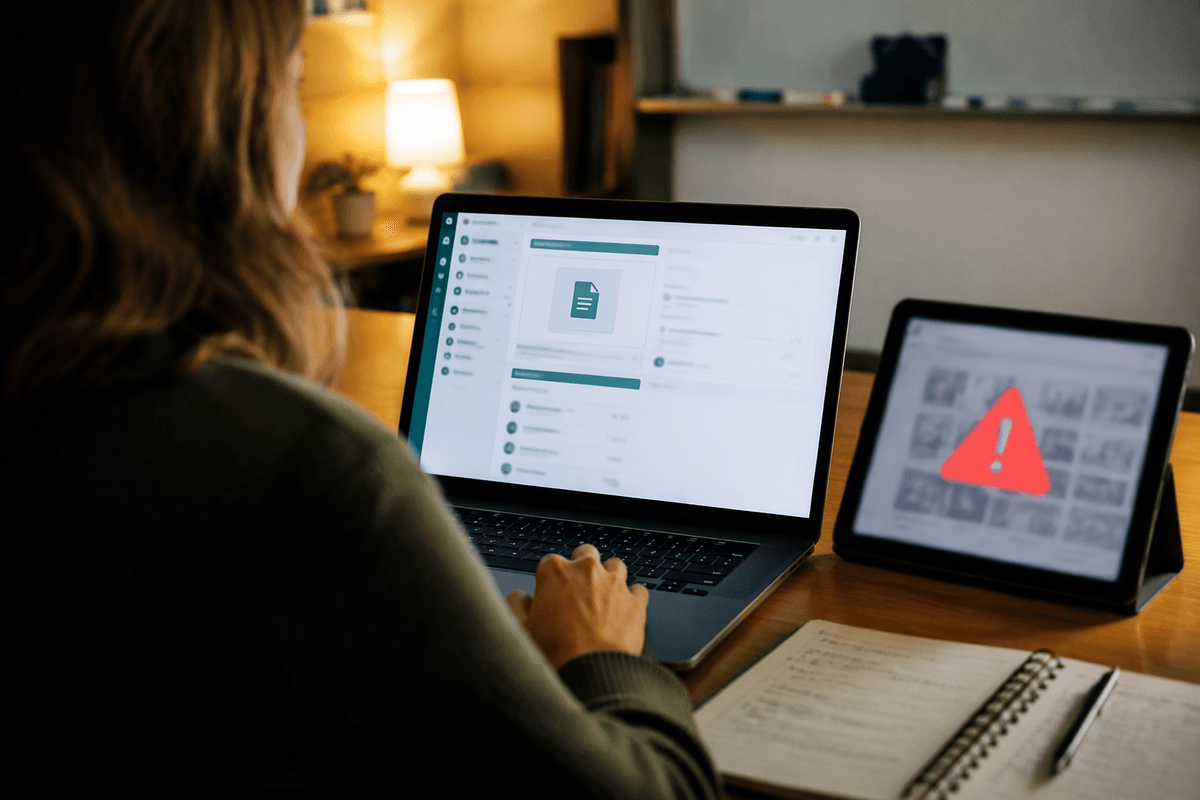
A common pressure point is the assumption that “it’s for class, so it’s fair use.” Sometimes it is, but fair use is a case-by-case judgment, and the details matter: how much you took, whether the passage is the “heart” of the original, how transformative your use really is, and whether your packet substitutes for a paid resource. If an AI handout recreates a textbook-like explanation or mirrors a publisher’s chart structure, calling it “educational” won’t automatically cure the problem—especially if you post it to a public website, share it beyond your enrolled students, or reuse it year after year as a stand-in for licensed materials.
Licensing is usually the cleaner path. If you rely on publisher excerpts, stock photos, or third-party articles, confirm your district’s license actually covers handouts, LMS posting, and remote access, not just in-room display. For AI tools, separate “you may use outputs” from “you may use the inputs you uploaded,” since terms often treat those differently. Classroom exceptions can help with limited, instructional uses, but they rarely cover broad distribution, public sharing, or materials that function as replacements for commercial course content.
Safer workflows for creating and sharing AI training
A familiar workflow is “generate, paste, print.” A safer one is “generate, stage, review.” Keep AI output in a draft folder until it passes two checks: (1) a quick “source-likeness” scan for any textbook-sounding definitions, distinctive analogies, or neatly structured tables that feel like they came from somewhere specific, and (2) a distribution check: will this live only inside a passworded LMS for enrolled students, or will it be emailed widely, posted publicly, or reused next year? The broader the sharing, the more conservative you should be.
Build light documentation into the process. Require staff to note the tool used, the prompt theme (not student data), and whether any third-party material was uploaded. If a handout leans on facts from a specific resource, cite that resource and confirm the license covers handouts and online posting. When you can’t confirm a license quickly, rewrite the “too polished” passages in your own voice or replace them with openly licensed or district-owned materials. The cost is a few extra minutes per packet; the payoff is fewer fire drills after distribution.
A quick classroom-ready checklist for next week
Before you distribute: record the AI tool and account type used, and keep the prompt notes in a staff-only log. Confirm no student work, IEP details, or other restricted data was uploaded. Do a fast “source-likeness” scan for textbook-sounding definitions, distinctive analogies, long tables, and any reading passages; rewrite or replace anything that feels traceable. If you used third-party text or images, verify your license covers handouts and LMS posting, not just classroom display. Share inside a passworded LMS by default; treat public posting as a higher-risk publication step. Add attribution where your district expects it, even when not legally required.