In the past, businesses had struggled with AI for many reasons. Traditional AI could learn from data, but often couldn’t explain how it made decisions. On the other hand, rule-based systems followed strict instructions but lacked flexibility. This made it hard for companies to fully trust AI. That slowed things down and held back growth. Hybrid AI changes that. It combines the best of both worlds, learning from data and applying clear rules. So, in this article, we will see how hybrid AI has helped businesses to improve and become better.
What Is Hybrid AI?
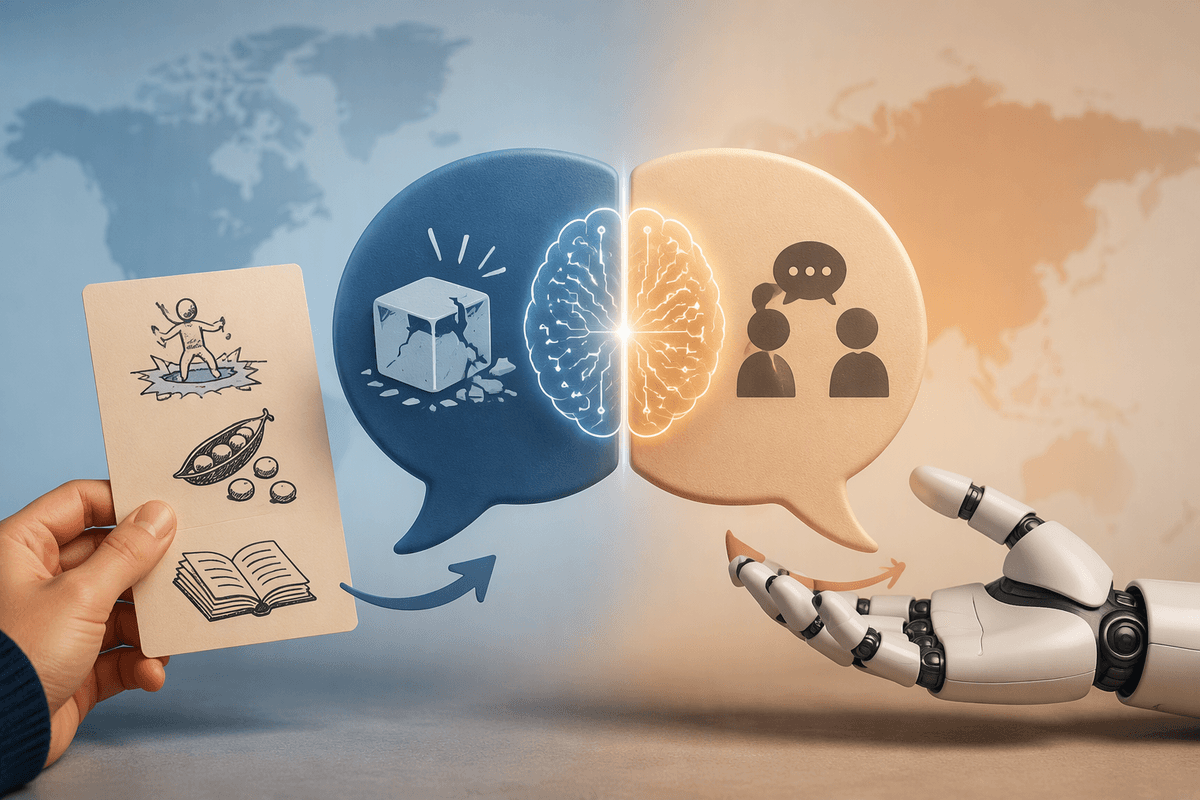
Hybrid AI is a smart blend of two distinct types of artificial intelligence. One type is machine learning. It learns from huge amounts of data, like sales numbers or customer behavior, to find patterns and make predictions. The other type is symbolic AI, which works more like human thinking. It follows rules and uses logic to explain things clearly, then makes decisions accordingly.
When you combine them, you get the best of both worlds. Machine learning is great at spotting patterns, but it can't always explain why something happened. That’s where symbolic AI helps. It adds reasoning and context, so the system can not only give you answers but also explain them in a way that makes sense.
Let's say a company uses machine learning to find defective products on a factory line. It can identify faulty items, but it doesn't know what to do next. Symbolic AI steps in to figure out where the problem started or who needs to fix it. This teamwork makes the system much smarter and helpful.

Why do businesses use Hybrid AI?
Businesses are turning to hybrid AI because it combines the best aspects of various AI systems to achieve better results. Here are some reasons why companies are using them:
- Keeps data safe and private: Hybrid AI gives businesses more control over their data. It provides flexibility to handle sensitive information safely on-site, while less private data can be stored in the cloud.
- Easy to scale and adapt: Hybrid AI is flexible. It can quickly adjust to new demands without the need for a full system upgrade or major investment.
- Smarter business decisions: Hybrid AI combines machine learning with rule-based logic. When they combine, they provide businesses with clear insights they can trust.
- Better customer experiences: With hybrid AI, businesses can understand customers better and give personalized responses. For example, it can use data to suggest products while also applying rules to follow company policies. This leads to happier and more loyal customers.
- Saves time and money: Hybrid AI automates routine tasks. For example, it can sort emails or manage inventory. So employees can focus on more important work. That means less waste and lower costs.
- Builds trust through clear answers: Hybrid AI can explain its choices. That’s really important in industries like healthcare or finance, where people need to understand why a decision was made. These clear explanations build trust with both users and customers.
Real-life examples of hybrid AI in business
Hybrid AI has already been used in many industries. In healthcare, IBM Watson Health teams up with Memorial Sloan Kettering Cancer Center. It helps doctors review patient data and medical research to make faster and smarter treatment decisions.
In finance, banks use hybrid AI to spot fraud. Machine learning finds unusual transactions. And the rule-based systems make sure actions follow legal rules. Moreover, in retail, companies like Amazon use hybrid AI to predict what products people will need. It also helps suggest items based on customer behavior.
In the tech industry, Google employs a combination of AI and human input to manage search results. AI ranks content, and human moderators review it for safety and fairness. In the automotive industry, brands like Volvo use hybrid AI in self-driving cars. AI sensors read the road, and human-driven rules ensure safety.

Challenges of using Hybrid AI
While hybrid AI brings big benefits, it also comes with a few challenges:
- Data quality and availability: AI works best with clean, complete data. But many companies have outdated or incomplete information. This makes it hard for AI to learn and perform well.
- Integration with legacy systems: Some businesses still use outdated software or tools that are incompatible with modern AI. Connecting these two systems can be tricky and costly.
- Lack of AI expertise: Hybrid AI needs skilled people to set it up and manage it. But finding or training those experts takes time and money.
- Can be expensive: Building and running hybrid AI systems can be costly, especially for large-scale applications. It may require a big upfront investment.
- Bias and privacy issues: If the data used to train AI has hidden biases, the results might be unfair. Also, handling private data means companies need to be extra careful with security and ethics.
- Employee resistance: Some employees may worry that AI will replace their jobs or alter the way they work. This fear can make it harder to roll out new systems smoothly.
The future of Hybrid AI in business
Hybrid AI is making its way in many industries. It is growing more in sensitive areas like healthcare, finance, education, and defense, where expert judgment is key. In the coming years, we'll also see big leaps in interactive AI tools. These will help people and machines work together more closely.
Hybrid AI will also support new applications, such as digital twins, which enable testing of ideas in virtual settings, as well as personalized support in learning and legal services. As AI becomes a bigger part of daily work, companies will realize that the best results come when machines and people team up. Hybrid AI will become the backbone of business innovation, which helps companies to become faster and grow more rapidly.
Final words
Businesses that move fast to bring hybrid AI into their daily operations will see big rewards in the future. They’ll uncover new ways to work smarter and lead in innovation. If they wait too long, then they will fall behind. To succeed, companies need to start with a clear plan. They must invest in the right talent and create AI systems that are flexible and easy to adapt.
Those who prioritize hybrid AI today will shape the future of business tomorrow. It's more than a trend. It's a powerful tool that helps companies grow and lead in an AI world.