Why Character.AI uses content filters at all
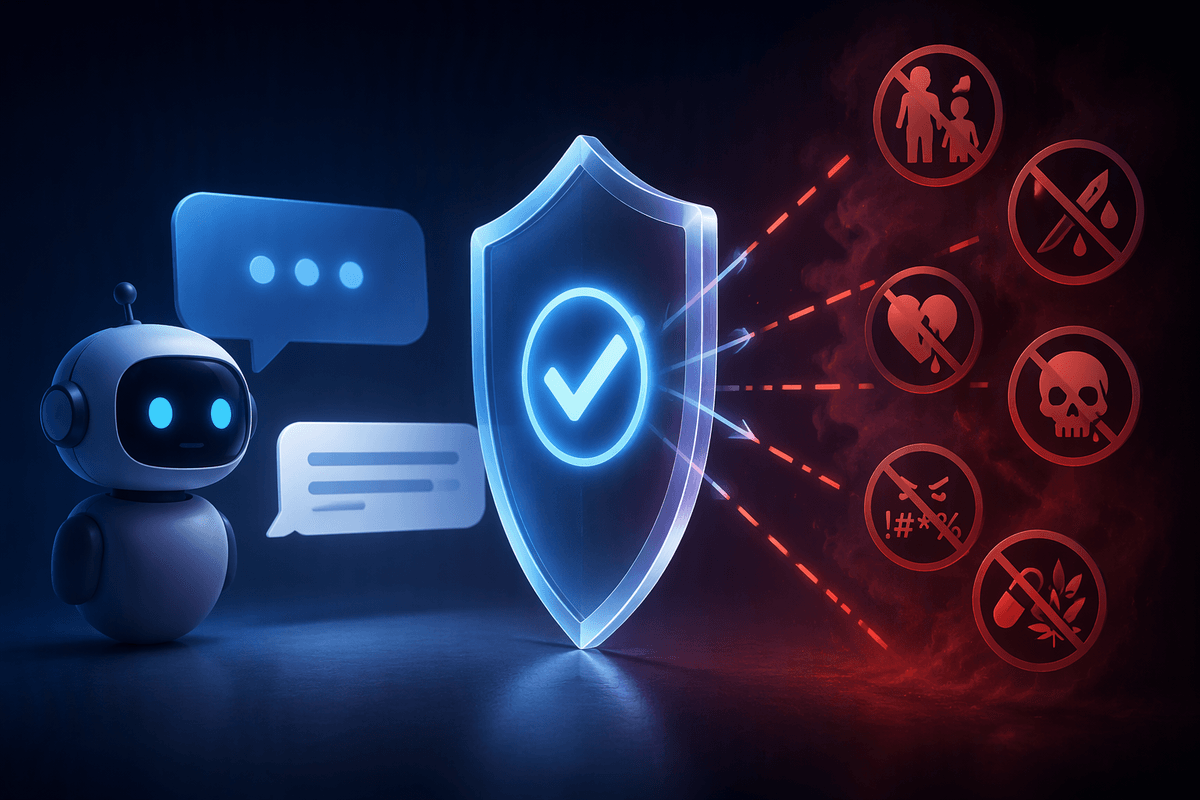
You’ve probably seen it: a conversation is flowing, then a reply suddenly gets shortened, rewritten, or blocked. Filters exist because a public chat service has to prevent certain categories of content from being generated at scale, even when users request it. That usually means complying with platform rules, laws, and payment or app store requirements, and reducing harm in areas like sexual content involving minors, explicit violence, self-harm instructions, harassment, or illegal activity.
Automated filtering is faster and cheaper than humans reviewing everything, but it’s imperfect and cautious by design. That caution can interrupt harmless roleplay, especially when the wording resembles riskier topics.
Where filtering happens during a single reply
You type a prompt, hit send, and the system doesn’t just “answer.” It typically runs your message through checks first, because your input can set up a risky scenario even before the bot writes anything. If your prompt includes certain keywords, ages, threats, or requests for instructions, it can raise the risk score immediately and narrow what the model is allowed to produce.
Then the reply is generated under constraints. Think of it like a draft being written while a set of guardrails sits on top: the model is steered away from disallowed directions, which is why you sometimes get a vague, sanitized response instead of a hard block. After that, there’s often a second pass that evaluates the draft itself. If the draft crosses a threshold, the platform may replace it with a refusal, cut it off mid-stream, or regenerate something “safer.” This layered approach reduces obvious failures, but it also adds delays and creates edge cases where a harmless line trips the final check and gets removed.
What the filter is looking for in practice
A common surprise is that filters rarely “look for one bad word.” They look for patterns that match policy categories: sexual content (especially anything implying a minor), graphic violence or gore, self-harm, targeted harassment, and step-by-step wrongdoing like making weapons, bypassing security, or buying illegal substances. The system also pays attention to roles and power dynamics (teacher/student, caregiver/child), coercion, and requests that sound like instructions rather than fiction.
Context changes the read. “He’s 17” plus flirting language can trigger stricter handling than the same scene with clearly adult ages, even if the rest is tame. Medical, historical, or crime-writing talk can get flagged if it resembles advice-giving. And when you mix signals—romance plus age numbers, or “how do I” plus a harmful act—the safer choice is often to block or soften, because automated classifiers are tuned to avoid missing high-risk content, even at the cost of false positives.
How context and wording change the outcome
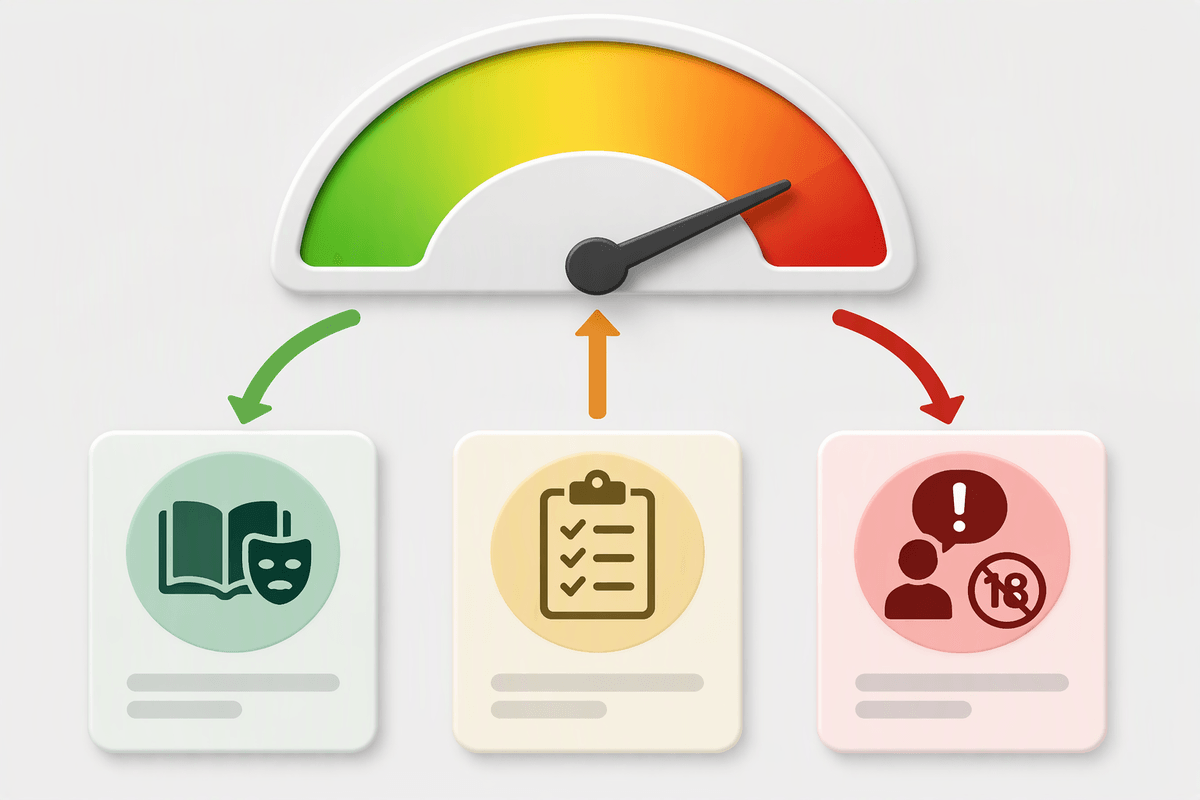
You can often predict a filter outcome by asking what the message “sounds like” at a glance. A bot can usually handle “Two adults argue in a noir bar” but may stumble on the same scene if you add a specific age number, a teacher/student label, or a line that reads like coercion. Even if your intent is harmless, those details are common markers of high-risk categories, so the system tightens up early and the bot’s reply gets shorter, blander, or blocked.
Wording also changes whether something looks like fiction versus guidance. “Write a dramatic scene where a character struggles with addiction” is often treated differently than “Tell me how to hide my drug use,” even if both mention the same substance. Questions framed as “how do I,” “what’s the best way,” or “step-by-step” tend to raise the risk score because they resemble instructions. You may have to spend extra messages clarifying intent, and that can slow pacing in roleplay or derail a casual chat.
Why false positives and “random” blocks happen
A harmless request may sometimes get blocked, leaving users wondering what went wrong. Automated safety systems can produce these false positives because they classify text using incomplete and sometimes ambiguous signals, including keywords, age references, relationship labels, or wording that resembles a request for instructions. Systems designed to avoid overlooking high-risk content may flag uncertain cases even when the surrounding context makes a fictional or harmless intent clear.
The result may also depend on more than the latest sentence. Filters may consider recent conversation history, a character’s draft response, and how closely that response approaches a restricted category. Two nearly identical prompts may therefore lead to different outcomes if one draft crosses the system’s threshold and the other does not. These systems must also evaluate text quickly across many languages, contexts, and writing styles, leaving little room for clarification in every ambiguous case. Such compromises help explain why unexpected blocks occur, particularly in scenarios that sit near a safety boundary.
What you can do when a message gets filtered
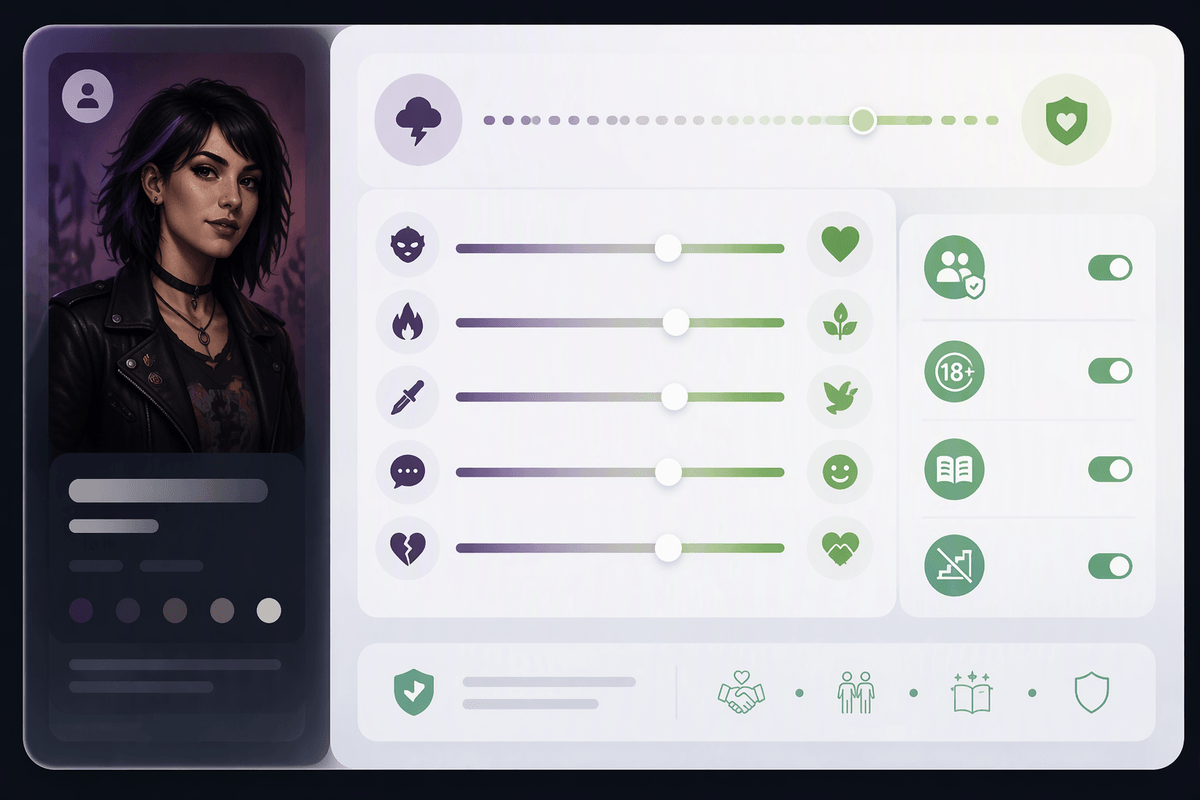
You’ll usually get farther by steering the conversation back into low-risk framing than by hammering the same prompt. If a reply is blocked, remove sharp signals first: explicit age numbers, teacher/student labels, coercion language, and “how do I” phrasing. Swap instructions for outcomes (“write a scene where…”), and keep violence or intimacy at a high level (“they fight,” “they kiss”) rather than describing mechanics. If you need darker themes, add clear guardrails in your prompt: all characters are adults, it’s fictional, no step-by-step guidance, focus on emotions and consequences.
When a chat is already “hot,” do a reset message that changes topic, location, or time, because recent context can keep the risk score elevated. Creators can also tune character definitions away from boundary-testing traits and add safety-friendly boundaries in the persona. You may spend extra turns rephrasing, and some story beats simply won’t be possible on a filtered platform.
A realistic mental model for using Character.AI
A practical way to think about Character.AI is “policy rules plus automated guesswork.” The rules define categories the platform won’t allow. Classifiers then estimate what your message and the bot’s draft “look like,” using context, wording, and common risk markers. That estimate becomes a risk score, and the system is tuned to prefer false positives over letting high-risk content slip through, which is why harmless scenes can still get softened or blocked.
So you’re not negotiating with a judge; you’re staying on the safe side of a threshold. Write prompts that clearly read as fictional, adult, and non-instructional, and expect some themes to be expensive in extra turns—or simply unavailable.