The online course business model just shifted
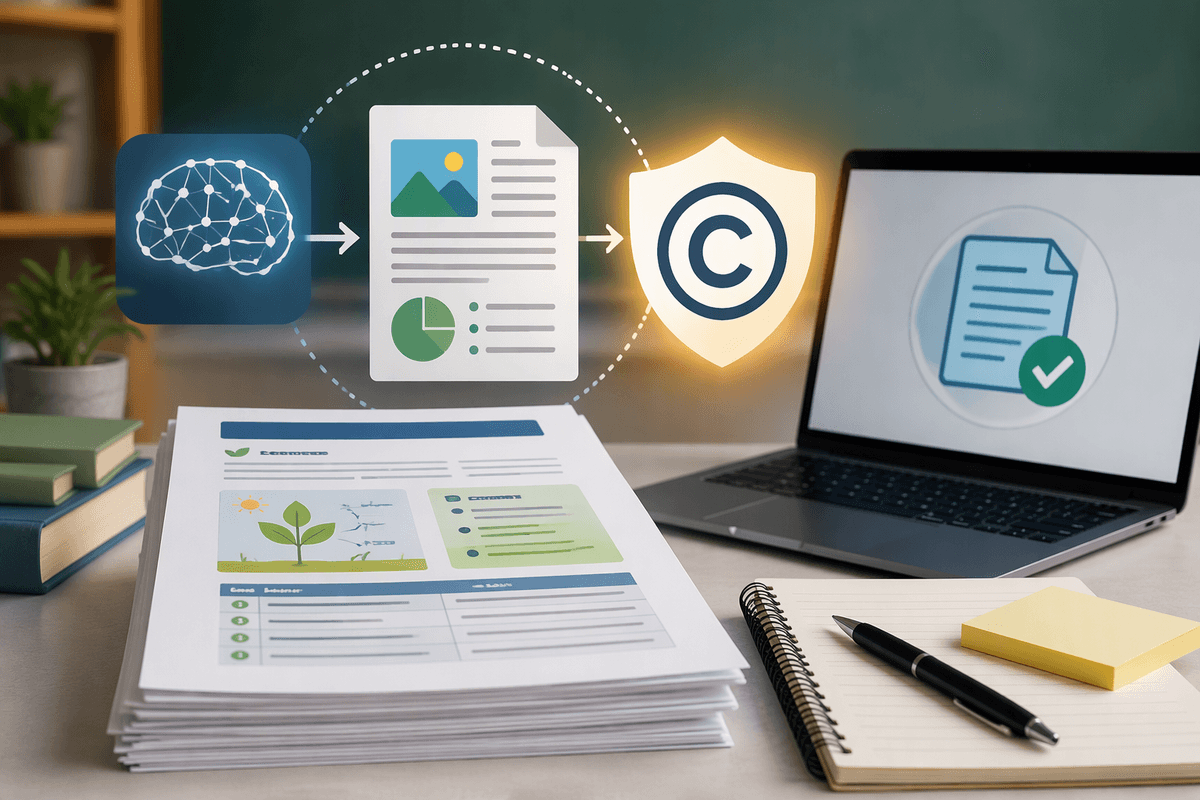
If you’ve built courses for a while, the old math was familiar: spend heavily once to produce content, then recover the cost through marketing and scale. That model depends on content being scarce and slow to create. AI changes that assumption. High-quality “good enough” lessons, quizzes, and summaries can be generated quickly, which pushes basic course content toward a commodity and pulls prices downward.
The new bottleneck isn’t typing slides; it’s earning trust, proving outcomes, and supporting learners through messy real-world constraints. Those parts still require expert judgment, reliable assessment, and responsive help. AI can assist, but it also adds new costs: review time, policy guardrails, and reputational risk if content is wrong or misleading.
Where AI cuts costs—and where it doesn’t
A practical way to see the cost shift is to list what used to take paid hours. Drafting lesson outlines, rewriting explanations for different levels, generating practice questions, translating materials, and producing first-pass visuals are now cheaper and faster. For teams, that can mean fewer contractor cycles, shorter production timelines, and less dependency on a single “star” instructor to get a course shipped. It also makes rapid iteration affordable: you can test a new module, adjust it based on learner behavior, and redeploy in days instead of weeks.
But the expensive parts don’t disappear; they move. Someone still has to define what “good” looks like, validate accuracy, and align materials with real job tasks or compliance requirements. Learner support is another stubborn cost center. AI can handle routine questions, yet edge cases, motivation issues, and feedback on messy work (projects, writing, live performance) still demand skilled humans. Marketing doesn’t get cheaper just because content does; as supply increases, earning attention and credibility often costs more per sale.
From content sales to outcome-based value
Many course businesses were effectively selling packaged information: a library, a curriculum, a set of videos, a certificate. When AI makes the “package” easy to reproduce, the buyer’s question shifts from “What content do I get?” to “What will be different for me afterward?” That change shows up quickly in purchasing conversations. Teams want evidence of skill lift, faster time-to-competence, fewer support tickets, better sales conversions, or reduced compliance incidents—not a longer table of contents.
That pushes pricing toward outcomes and away from access. Instead of charging once for content, the durable value becomes structured practice, verified assessment, and guided application to real work. The constraint is that outcomes are harder to guarantee and more expensive to measure. You need baseline diagnostics, rubrics, proctoring or integrity checks, and follow-up measurement in the learner’s context. Those add operational cost, and they also create a strategic moat: fewer competitors will do the unglamorous work of proving impact.
Personalization at scale changes unit economics

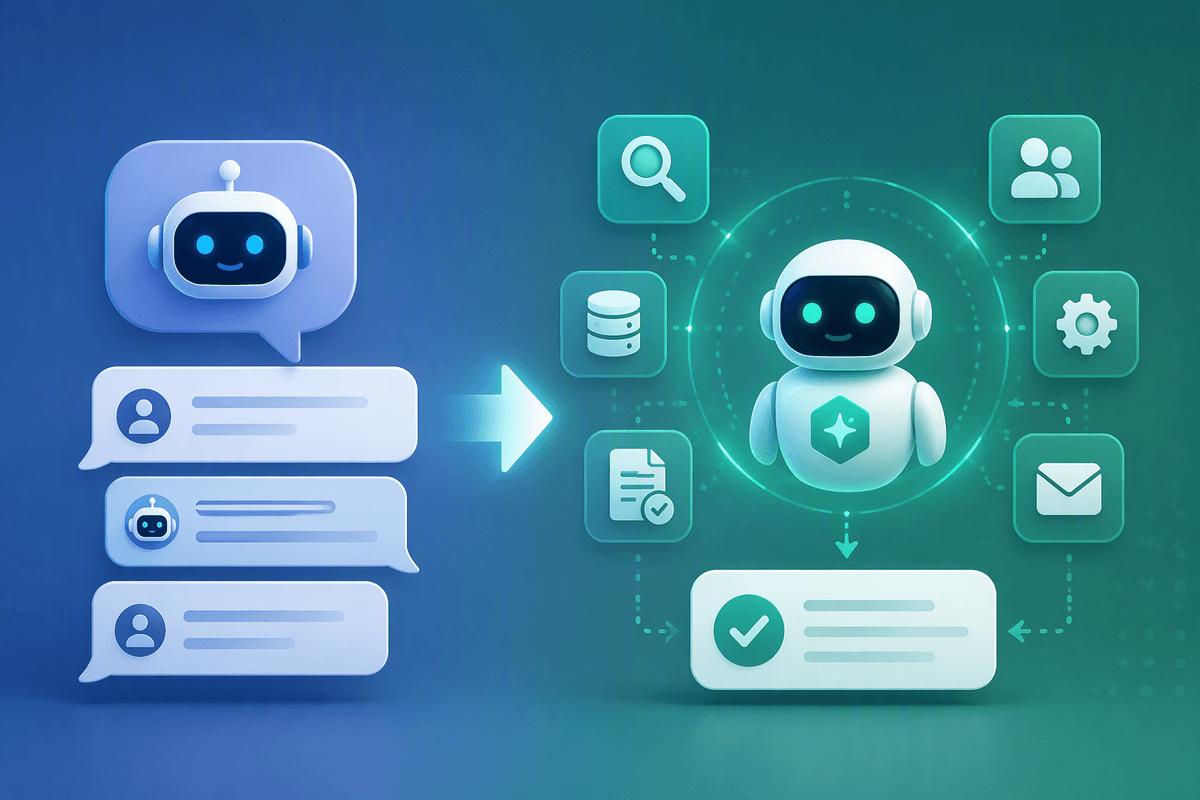
Most teams already personalize in small ways: a placement quiz, a “pick your track” dropdown, maybe office hours for struggling learners. The constraint was always labor. True personalization meant more instructors, more feedback cycles, and more coordination—so margins fell as support intensity rose. AI changes that by making adaptive explanations, targeted practice, and instant formative feedback cheap enough to offer to every learner, not just the highest-paying tier.
That flips the unit economics. You can raise completion and satisfaction without hiring proportionally more staff, which makes higher prices easier to defend when the buyer cares about time-to-competence. But it also raises a new floor of expectations. If “custom tutor-like support” becomes standard, then differentiation shifts to the quality of diagnostics, the alignment to real tasks, and escalation design: when the system hands off to a human, how fast, how skilled, and at what cost.
The new competition: commoditized courses, scarce trust
You’ll notice the competitive set expanding in strange ways: a solo creator with a polished AI-assisted course, a software tool that “teaches” inside the workflow, and a corporate enablement team that spins up internal training in a week. When everyone can produce competent explanations and practice items quickly, the market stops rewarding sheer volume of content. Price pressure follows, and “lifetime access” looks less like a benefit and more like a reminder that the material will be outdated soon.
Trust becomes the scarce input. Buyers lean on signals that are hard to fake: credible instructors, authentic employer alignment, valid assessments, and references they recognize. That also changes where defensibility lives. A course can be copied; a track record of learner outcomes is slower to replicate because it requires measurement, iteration, and support quality over time.
The practical constraint is that trust is expensive to build and easy to lose. One high-profile error, inflated claim, or leaky assessment can erase months of marketing spend and partner goodwill, and AI increases both the speed of publishing and the odds of shipping something you didn’t truly verify.
Quality, integrity, and the hidden risk costs

You’ll feel the integrity problem most when you try to scale faster than your review capacity. AI can generate plausible explanations that are subtly wrong, outdated, or misaligned with your rubric. Catching those issues takes expert time, and the cost shows up as slower releases, more QA cycles, and higher reliance on senior reviewers. If you operate in regulated or high-stakes domains, the “cheap content” narrative breaks quickly once you add documentation, version control, and audit trails.
Assessment is where risk becomes financial. If learners can game quizzes, if proctoring is weak, or if AI assistance blurs what “competence” means, your credential loses value. That can trigger refunds, lost enterprise renewals, and reputational drag that increases future acquisition costs. The hard trade-off is that stronger integrity measures—item banks, performance tasks, identity checks, human grading—raise per-learner cost. But they also protect the one asset competitors can’t mass-produce: credibility that holds up under scrutiny.
What to do next: design for leverage
The practical move is to stop optimizing for “more content” and start optimizing for a repeatable outcomes engine. Use AI to compress drafting, localization, and practice generation, but spend human time on the parts that compound: job-task alignment, diagnostics, rubrics, and escalation paths that make support predictable. Build measurement into the product (baseline, checkpoints, applied work), because proof lowers sales friction and protects pricing when courses get cheaper everywhere else.
Design the org around review capacity and integrity, not production speed. That may mean fewer launches, higher QA standards, and explicit policies on what AI can and cannot do. The constraint is real: expert review and credible assessment raise costs. The leverage comes from doing them once, systematizing them, and letting AI amplify them across cohorts and segments.